
Radiated Emissions Fix: One MOSFET, Circuit Theory, No Band-Aids
A professional landscaping equipment manufacturer had a persistent wideband radiated emissions failure their internal team couldn’t solve.
Failing EMC or FCC testing and can’t find the root cause? We reproduce failures in our in-house EMC screen room and fix them with circuit theory – not random beads and capacitors.
Talk to an RF designer →
The Problem
A major vendor of professional landscaping equipment came to us with a persistent wideband radiated emissions failure. Their product was failing EN compliance testing, and their internal team had been unable to resolve the issue. Previous troubleshooting attempts had not identified the root cause.
Our Approach
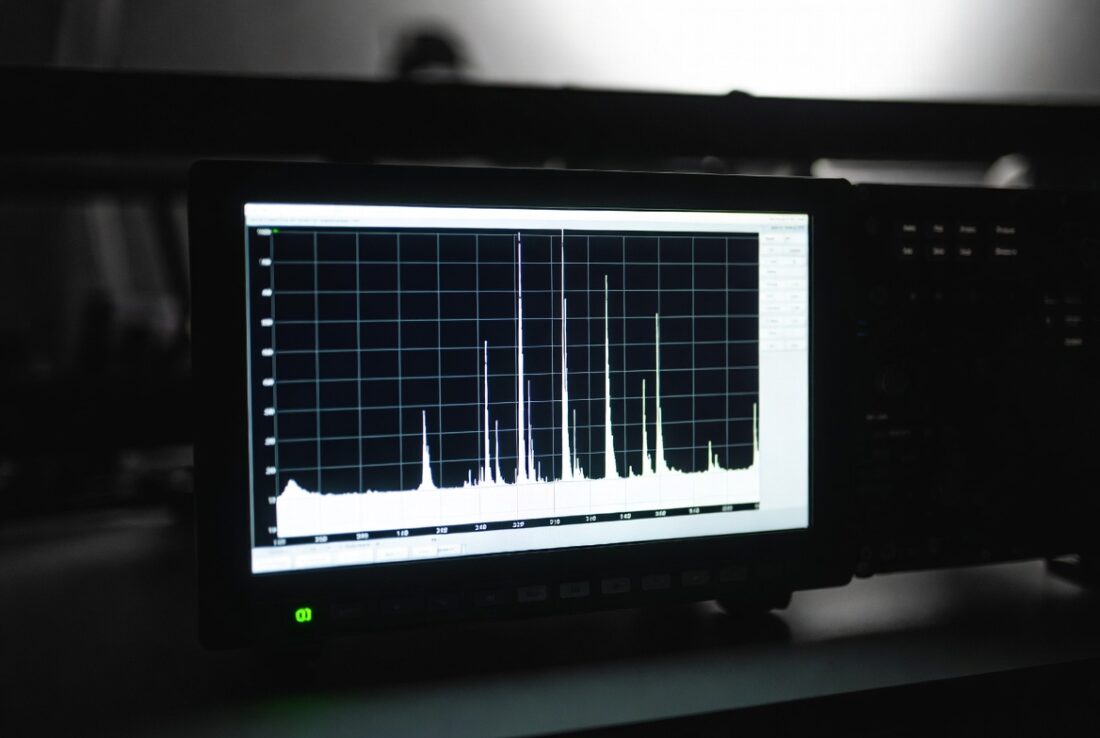
We reproduced the failure in our in-house EMC chamber and systematically traced the source of the emissions. The culprit turned out to be a single power MOSFET in a motor drive circuit. The gate capacitance was being rapidly discharged during switching transitions, creating wideband noise that radiated through the cabling and enclosure. Rather than the typical approach of randomly applying ferrite beads and bypass capacitors and hoping something sticks, we applied circuit theory directly to the EMC problem. We modified the slew rate of the MOSFET drive signal – adjusting both the rise and fall times – to prevent the rapid capacitance discharge. This required careful balancing: slow the transitions enough to kill the emissions, but keep switching losses within the thermal budget so the MOSFET didn’t overheat.
The Result
The radiated emissions were eliminated. The product passed EN compliance testing. The fix was a targeted circuit modification, not a band-aid of added components — which meant it was reliable, repeatable, and didn’t add cost to the BOM. This is the difference between understanding the physics of the problem and just throwing parts at it.